

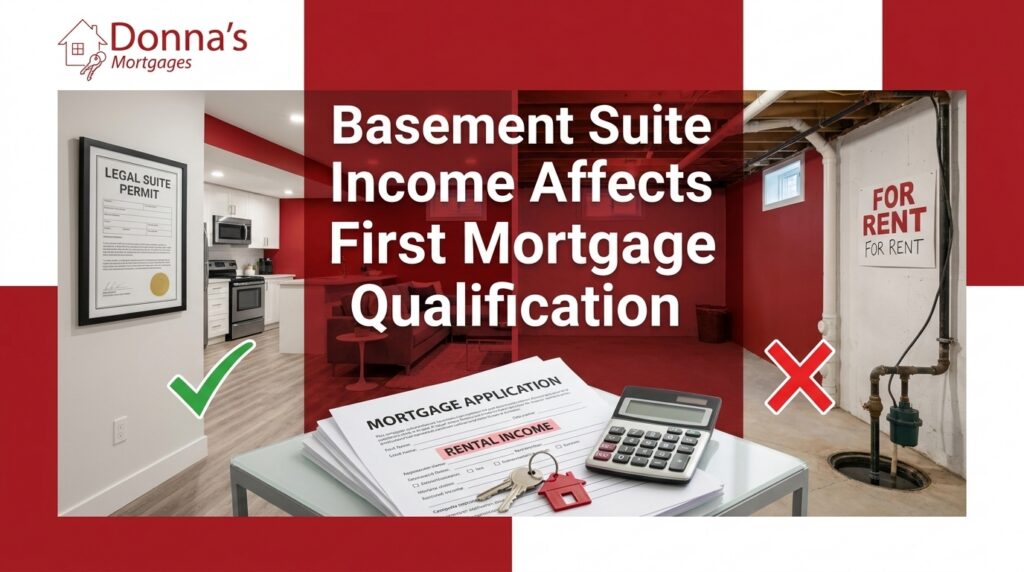
When you apply for a first mortgage, not all basement suite rental income is treated the same. A legal suite with permits can be added to your income, while rent from an unauthorized suite is often ignored entirely by lenders. Understanding how rental income from a basement suite affects your first mortgage qualification starts with one question: Is the suite legal?
In our day-to-day work, we see borrowers surprised when a lender won’t count the rent from a basement suite they’ve been renting for years. The physical suite may be identical to a legal one, but without the right permits, the income may be worth nothing on your mortgage application. This guide explains how lenders evaluate suite income, what documentation you need, and why a legal suite can strengthen your application.
How Lenders Evaluate Rental Income from Legal vs. Unauthorized Basement Suites
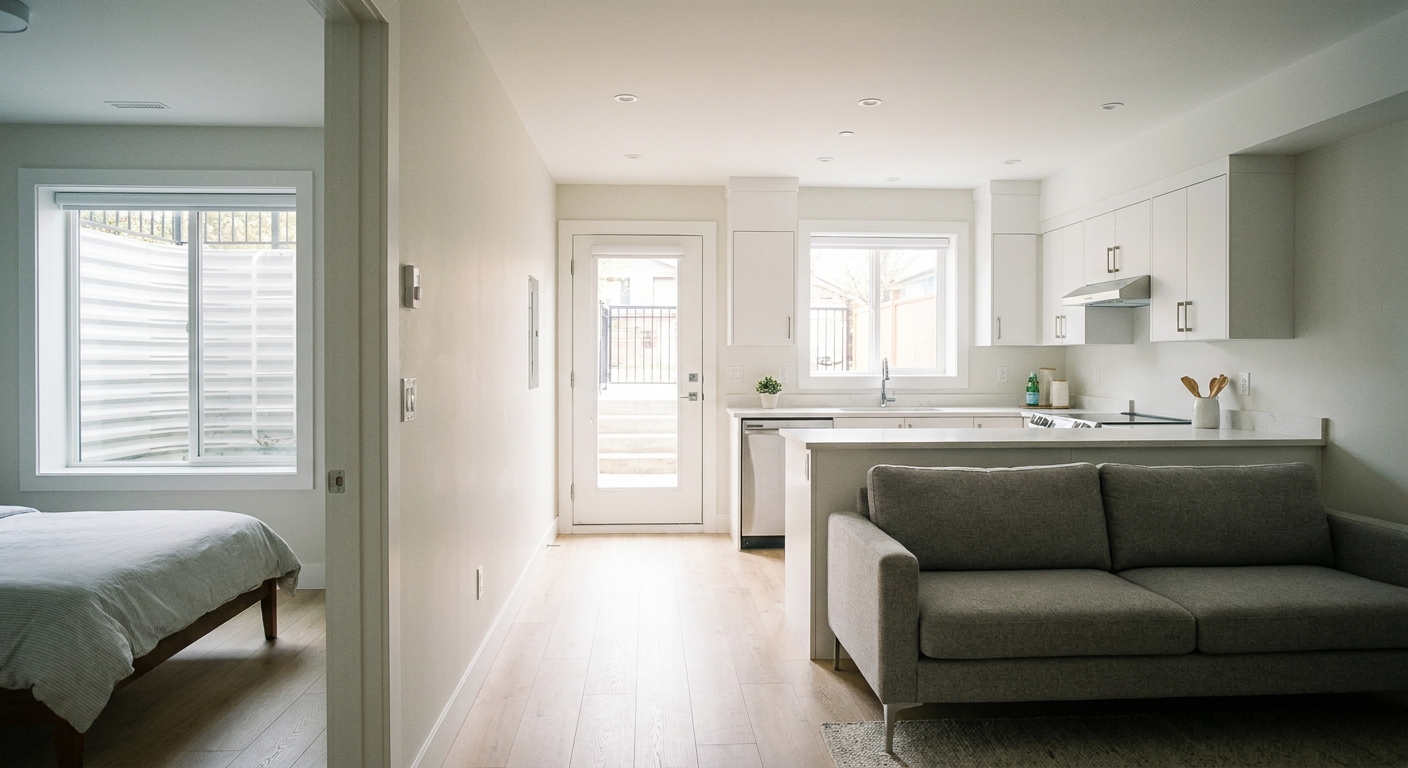
Lenders view rental income as a way to offset housing costs, but they only count income they can verify and rely on. The key distinction is whether the suite has the required permits and inspections from the local municipality. A legal suite has a paper trail that proves it meets building code, fire safety, and zoning requirements. An unauthorized suite, even if it has been rented for years, does not.
Why Legal Suites Are More Favorable for Mortgage Qualification
For a lender, a legal suite reduces risk. It means the suite was built or upgraded to code, has a safe exit, and is less likely to be shut down by municipal enforcement. Most lenders will include a portion of the rental income from a legal suite when calculating your debt service ratios. That extra income can increase the mortgage amount you qualify for. We regularly confirm with lenders exactly how much of that income they will use and what documentation they need to see.
Common Lender Policies on Unauthorized Suite Income
Unauthorized suite income is treated very differently. In most cases, lenders will not count any rent from a suite that lacks proper permits. Some may reduce their estimate of the property’s value, while others may require the suite to be decommissioned before closing. This means a home with a rented but unauthorized basement suite can qualify for a much smaller mortgage than the buyer expected, even if the rental income is consistent.
Proving Your Basement Suite’s Legal Status to Your Lender
If you want your basement suite income to count toward your first mortgage qualification, you need to prove the suite is legal. Lenders will not take your word for it; they require specific documents that show the suite was permitted and inspected. Gathering these documents early can save weeks in the approval process.
Key Documentation Lenders Require
The exact documents vary by lender, but most will ask for:
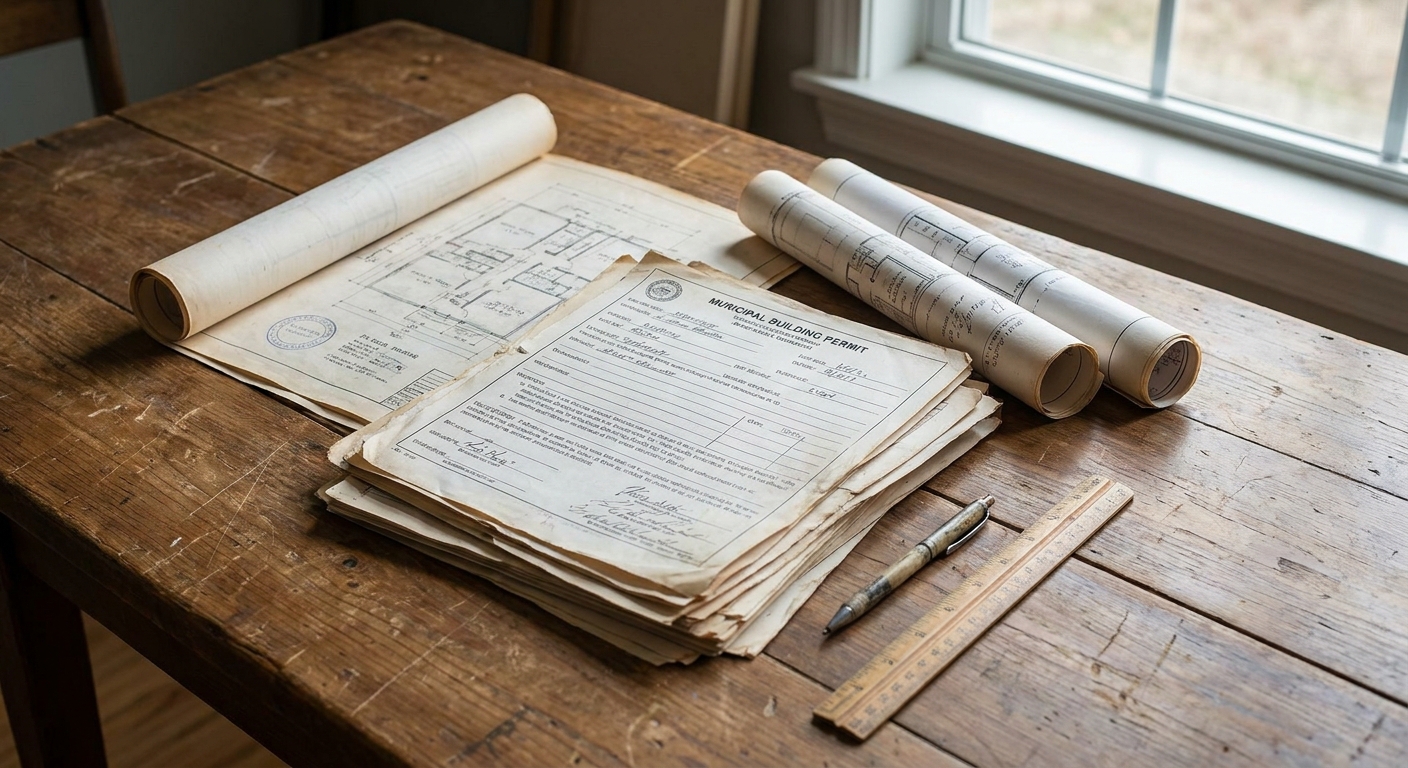
- The original building permit for the suite construction or legalization
- Final inspection reports or an occupancy certificate from the local municipality
- Proof that the suite has its own separate entrance and meets egress requirements
- Confirmation of fire separation between the suite and the main dwelling
We help borrowers collect and review these documents before they apply, so there are no surprises when the lender asks.
Steps to Obtain Proper Permits and Approvals
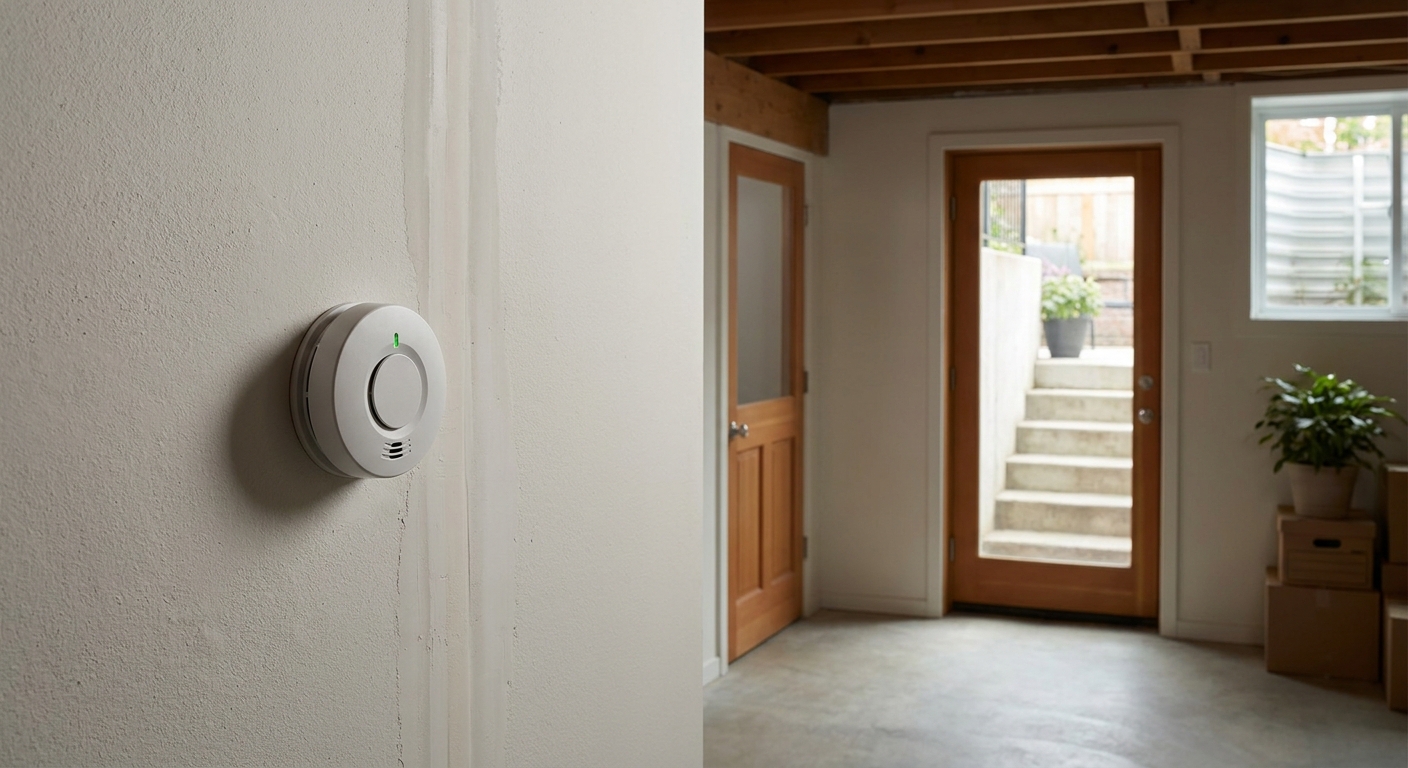
If your suite is currently unauthorized, legalizing it is a multi-step process. It generally starts with hiring a qualified designer or draftsperson to prepare drawings of the existing space. You then submit a permit application to your local municipality, complete the required upgrades, and schedule inspections at each stage. The most common upgrades involve ceiling height, egress windows, fire separation, and interconnected smoke alarms. Once final approval is granted, you have a legal suite and can provide the documents your lender needs.
Home Insurance Requirements When Using Basement Suite Income for a Mortgage
Insurance is a condition of almost every mortgage. When you use basement suite income to qualify, your lender will require proof that the property is properly insured, including the rental unit. This is not a formality; it protects both you and the lender if something goes wrong.
Why Lenders Demand Adequate Insurance Coverage
Lenders need to know that the property can be rebuilt or repaired after a loss. A legal suite that has been disclosed to the insurer and is part of your home insurance policy meets that requirement. The lender will ask for a copy of the insurance binder before closing, and they may check that the suite is listed as a rental unit. Without adequate coverage, the mortgage will not fund.
How Unauthorized Suites Can Jeopardize Your Insurance and Mortgage
If you rent an unauthorized suite without telling your insurer, you are carrying significant risk. In the event of a fire, flood, or tenant injury, the insurer may reduce or deny the claim because the risk was not disclosed. That leaves you personally responsible for repairs and liability, and it can also put your mortgage in default. We have seen mortgage approvals fall apart when an insurer discovers an undisclosed suite before closing. Always disclose the suite to your insurer, even if you are still working on legalization.
How Rental Income from a Legal Basement Suite Affects Your First Mortgage Qualification
A legal basement suite often earns more rent than an unauthorized one, and that higher income directly improves your mortgage qualification. This is not just about compliance; it is about the quality and safety features that legal suites provide.
Why Legal Suites Command Higher Rent
Tenants are willing to pay more for a suite that has a safe egress window, proper fire separation, a legal separate entrance, and other code-compliant features. A legal suite also gives tenants confidence that it will not be shut down by the municipality. As a result, legal suites often attract longer-term tenants and command a rental premium over comparable unauthorized units. That extra monthly income adds up.
How Increased Rental Income Improves Your Debt Service Ratios
Mortgage lenders use debt service ratios to decide how much you can borrow. Rental income from a legal suite is treated as stable income and added to your total income in these calculations. The higher the rent, the lower your ratios, and the more mortgage you may qualify for. We work through these numbers with borrowers to show exactly how a few hundred dollars more in monthly rent can change their purchase budget.
Next Steps: Using Your Legal Basement Suite to Strengthen Your Mortgage Application
If you already have a legal suite or are planning to legalize one, the next steps are straightforward. The goal is to present your rental income in a way that lenders will accept, so it works for you rather than against you.
Work with a Mortgage Professional
Lender policies on basement suite income vary, and they change over time. Working with a mortgage professional who understands these nuances can save you from applying to the wrong lender. We maintain relationships with over 300 lenders, so we can quickly identify which ones will count your suite income and what conditions they will attach. We also help you understand the exact documentation each lender requires before you commit to an application.
Ensure Your Suite Meets All Legal Requirements
Before you list your home or apply for a mortgage, confirm that your suite is fully legal. Check for the permits, final inspections, and any required business licences for rental use. If the suite is unauthorized, start the legalization process as early as possible. A legal suite not only protects your rental income but also preserves your insurance coverage and makes your property more marketable.
If you have a basement suite or are considering buying a home with one, contact us to review your specific situation. We can help you determine what will count and what won’t, so there are no surprises on closing day.