


Have you ever wondered if you could take your current mortgage terms with you when moving to a new home? What is mortgage porting, and how could it make that possible? Imagine the convenience of maintaining your existing mortgage terms, even as you transfer to a new property. This is where mortgage porting comes into play—a feature that could potentially save you money and simplify your financial transition. For homeowners in Burlington, Ontario, understanding how mortgage porting works can be a game-changer, especially when considering your next move such as upsizing or downsizing from your first home. If you are still learning how mortgages work overall, reviewing mortgage basics can make it easier to compare porting, refinancing, and getting a brand‑new loan
What Is Mortgage Porting & How Does It Affect Your Amortization or Loan Structure?
Mortgage porting allows you to transfer your current mortgage from your existing home to a new one. Instead of breaking your mortgage and applying for a brand-new loan, you may be able to carry over your current interest rate, remaining term, and sometimes your amortization or loan structure.
This feature is especially helpful when interest rates have gone up since you first got your mortgage. If your current rate is lower than today’s offers, porting can help you keep that deal. It lets you move your rate and terms to the next property. You can then see what your new mortgage amount might be on that home. Use a mortgage payment calculator to estimate payments on the new property
In Canada, mortgage porting is most commonly available on fixed-rate mortgages. It is not automatic, and you still need to qualify with your lender. They will review your income, credit, and debt levels. They will also check the value of the new property. This happens before they approve the transfer. They may also look at how the mortgage will be structured. They review how the mortgage from one property will be structured when it is ported to another. Since not all mortgages are portable, it can help to review the different types of mortgages to see which products typically include portability and which are more restrictive.
Important Terms to Know
Before deciding whether to port your mortgage, it helps to understand a few key terms:
- Portability clause: A section in your mortgage agreement that explains whether your mortgage can be transferred and under what conditions.
- Prepayment penalty: A fee charged when you break your mortgage before the end of the term. Porting may help you avoid this.
- Bridge financing: Short-term financing used when the closing date on your new home comes before the sale of your current home.
- Appraisal: A lender-required estimate of your new property’s market value.
- Blended rate: If you need to borrow more money on the new home, the lender may combine your old mortgage rate with a new rate for the additional amount.
These terms affect the cost and convenience of porting. They are worth reviewing carefully with your lender. A mortgage specialist can explain the pros and cons in detail. They can help you decide if you should keep your loan. They can also advise if you should keep your existing loan or mortgage and reapply with a different structure. If you are still in the early stages of planning a move or purchase, it may help to step back and explore your broader residential mortgage options before deciding whether porting is the right path
Why Mortgage Porting Matters: Pros, Cons and Today’s Mortgage Market

Mortgage porting matters because it can reduce the cost of moving. One of the biggest benefits is avoiding a prepayment penalty, which can be substantial if you break a mortgage early. Since penalty calculations can vary widely from one lender to another, you may also want to review how mortgage penalties work so you can compare the true cost of breaking versus porting your loan. If you locked in your mortgage when rates were lower, porting can also protect you from taking on a much more expensive loan and help clarify what your mortgage means in terms of long‑term savings.
Many Canadian lenders offer portability as a built-in feature because it encourages borrowers to stay with the same institution. For homeowners, that can mean less paperwork, more predictability, and an easier transition between homes.
Still, the fact that porting is available does not mean it is always the best financial choice. The value depends on your current rate, the new property, whether you need to borrow additional funds, and how the rate and terms compare with what is being offered by other lenders on the market.
How Mortgage Porting Works: Lender Approval, Income or Credit and Property Types
The mortgage porting process usually follows a few clear steps.
- Check your mortgage terms. Review your mortgage documents or speak with your lender to confirm whether your mortgage is portable and how porting or transferring the loan will be handled.
- Contact your lender early. Before firming up your new purchase, ask about eligibility, timing requirements, and any fees involved.
- Submit an application. Even though you already have a mortgage with the lender, you will typically need to requalify based on your current financial situation.
- Provide documents. Expect to submit proof of income, employment details, information about the new property, and a purchase agreement.
- Complete an appraisal. The lender may require an appraisal of the new home to ensure it meets lending guidelines and fits within acceptable property types.
- Sign the updated agreement. Once approved, you will sign the documents that transfer the mortgage to the new property and confirm your new year mortgage term along with any updated conditions.
Because porting is time-sensitive, it is important to start the process early. Many lenders allow porting only within a limited window between the sale of your current home and the purchase of the new one, so timing is one of the key cons if your dates are uncertain.
Porting vs. Refinancing: When to Refinance and When to Keep the Same Lender
Porting and refinancing are often confused, but they are not the same thing.
Porting means transferring your current mortgage to a new home while keeping your existing terms, as much as possible. Refinancing means replacing your current mortgage with a new one, often with different terms, a different rate, or a larger loan amount. Homeowners sometimes choose to refinance instead of porting when they are not buying a new home but want better terms on their existing property.
Porting is usually more attractive when your existing rate is lower than current market rates and you want to avoid penalties. Refinancing may make more sense if rates have dropped, if you want to change your mortgage structure, or if you want to access home equity, especially if your original mortgage no longer fits your goals.
If you are moving to a more expensive home and need a larger mortgage, your lender may offer a blended mortgage. In that case, part of the mortgage keeps the old rate and the extra amount is borrowed at a new rate, combining some of the pros of porting with the flexibility of new financing.
Key Pros of Porting a Mortgage: Keeping Your Mortgage Rates, Terms & Same Lender
Porting can offer several important benefits for Canadian homeowners.
- You may keep a lower interest rate. This can lead to meaningful savings when rates have risen since you first got your mortgage.
- You may avoid prepayment penalties. This is often one of the biggest financial advantages.
- You keep familiar mortgage terms. Predictable payments can make budgeting easier during a move.
- You may reduce the hassle of starting over. Staying with the same lender can simplify the transition.
- You gain financial stability during life changes. If you are relocating, upsizing, or downsizing, keeping the same mortgage structure can reduce uncertainty.

For homeowners who value consistency, porting can make the move feel more manageable. It can also reduce the pressure of finding a new lender while handling everything else involved in buying and selling real estate.
Potential Cons of Mortgage Porting: Prepayment Penalties, Market Changes and Lender Rules
Despite the advantages, mortgage porting has limitations.
- Not all mortgages are portable. Variable-rate mortgages may not qualify, and some lenders impose strict conditions.
- You still need lender approval. Your financial situation may have changed since you first got the mortgage, and your income or credit profile will be reviewed again.
- The new property must qualify. The lender may reject the port if the home does not meet its standards.
- There may still be costs. Appraisal fees, legal fees, administrative charges, and bridge financing can all add up.
- Timing can be tight. If your sale and purchase dates do not align within the lender’s allowed window, porting may not work.
Porting can also be less attractive if today’s rates are lower than your current mortgage rate. In that case, starting fresh with a new mortgage could save more money overall, and sticking with the old loan might not be a good idea. Because interest rates play such a big role in whether porting is worthwhile, it can be helpful to look at broader trends and tips in navigating mortgage rates before you decide.
Costs to Consider When Porting: Prepayment Penalties, Fees & Changing Payments
Porting helps avoid some major costs, but it does not make your move free. You may still need to pay for:
- Property appraisal fees
- Legal fees for the new mortgage documents
- Administrative or transfer fees charged by the lender
- Bridge financing if your closings do not line up
These expenses should be compared against the savings from avoiding a prepayment penalty and keeping your current interest rate. A mortgage that looks portable on paper may not deliver the best value once all costs are included, so it is wise to list the pros and cons before deciding.
When Porting Makes Sense for Buyers in a Rising Rate Market
Mortgage porting tends to make the most sense in a few specific situations.
- Interest rates have risen. Keeping your old lower rate can save money over the remaining term.
- You are moving before your mortgage term ends. Porting can help you avoid penalties for breaking the mortgage early.
- You want payment stability. Keeping the same basic terms can simplify your financial planning during a move.
- You are comfortable staying with your current lender. This can reduce paperwork and speed up the process for you as the buyer.
Porting is especially useful when the financial benefits are clear and you do not need major changes to your mortgage structure.
When Porting May Not Be Worth It: Market Changes, Refinance Options & Added Costs
There are also times when porting may not be the best choice.
- Current market rates are lower than your existing rate.
- You need to borrow substantially more money.
- You want a different mortgage product or lender.
- The new property does not meet your lender’s requirements.
- The added fees reduce most of the expected savings.
Refinancing or getting a new mortgage can give you more flexibility and lower costs. You may do this to restructure your mortgage or change your current terms. This helps if your existing deal is a restricted mortgage and limits switching options without penalties. If today’s interest rates are lower than your current rate, it may be more beneficial to explore smart refinancing instead of porting, especially if you want to change your mortgage structure or access additional equity.
Burlington, Ontario Market Considerations: Property Types, Buyers & Local Lenders
For homeowners in Burlington, local market conditions can affect whether porting is practical. Home prices, inventory levels, and competition in the area may influence how quickly you need to act and whether your financing remains aligned with your moving plans.
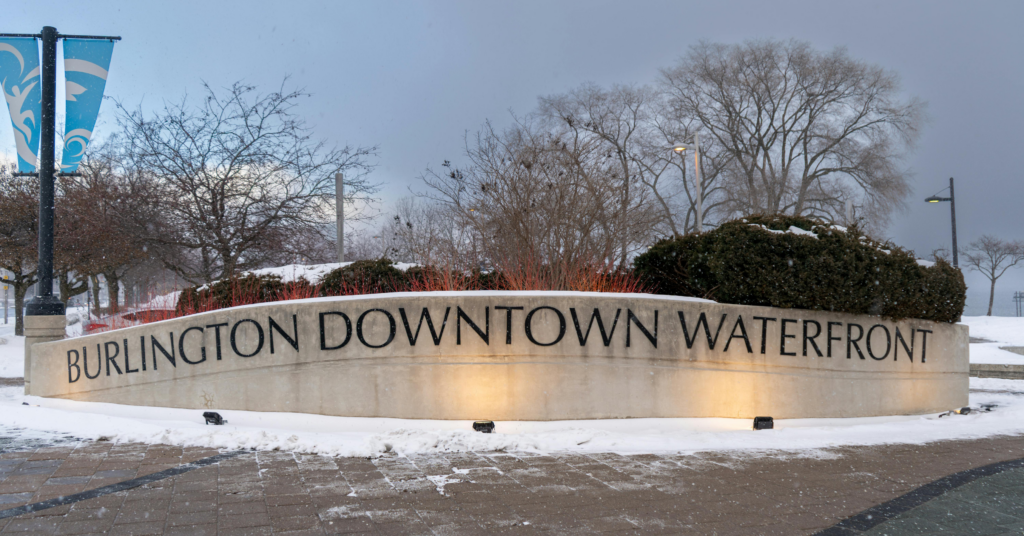
Ontario lending and legal requirements can also shape the process. Depending on the lender, you may need additional paperwork, legal coordination, and property review before the transfer can be completed.
Because Burlington is part of a competitive and high-value housing region, local advice can be especially useful. A lender or mortgage broker familiar with the area can help you compare porting against refinancing or switching lenders and explain how different property types are viewed by local lenders.
How to Prepare for a Successful Mortgage Port: Lender Talks, Income or Credit & Sale and Purchase Dates
If you are thinking about porting your mortgage, preparation can make the process smoother.
- Review your mortgage contract for a portability clause so you understand how porting or transferring your loan will work.
- Contact your lender before you finalize your move.
- Gather proof of income, employment documents, mortgage statements, and purchase paperwork.
- Ask about appraisal, legal, and administrative costs in advance.
- Make sure your sale and purchase dates fit within the lender’s timeline.
- Consider speaking with a mortgage broker to compare alternatives and get answers to common faqs about mortgage porting.
Good planning can prevent delays, reduce stress, and help you determine whether porting really offers savings.
Final Thoughts
Porting a mortgage in Canada can be a smart option if you are moving before your mortgage term ends and want to keep a lower interest rate. It may help you avoid prepayment penalties, maintain stable payments, and simplify the financing side of your move.
However, porting is not automatically the cheapest or best option. Approval is still required, extra fees may apply, and in some cases refinancing or changing lenders may offer better value. The best approach is to compare the full costs and benefits before making a decision. For homeowners in Burlington and across Canada, mortgage porting can be a useful tool, but it works best when it matches your financial goals, property plans, and timing; in some cases, alternatives like reverse mortgages or new financing structures might suit your situation better.
Whether you are upsizing, downsizing, or simply trying to decide if porting your mortgage makes sense, you do not have to sort through the details alone. A trusted mortgage broker in Burlington or mortgage broker in Niagara Falls can walk you through your options, compare porting with refinancing, and help you understand the true costs and savings based on your situation. Reach out today to review your current mortgage, run the numbers on your next move, and build a financing strategy that supports your long‑term goals.