


Rising home prices and stricter mortgage qualification rules have made it harder for many adult children to buy a first home on their own. Parents who have built up equity in their own property often look for a practical way to help without draining their savings all at once. Using a second mortgage to help your children enter the housing market can unlock home equity and turn it into a down payment gift or a structured family loan.
We see families explore this path every week. The decision is rarely simple, because a second mortgage adds debt to the parents’ home while giving their child a meaningful step forward. This guide explains how second mortgages work, the ways parents can use them to support a child’s purchase, the risks to weigh, and how to compare this option against alternatives before moving ahead.
What Is a Second Mortgage?
Key Features of a Second Mortgage
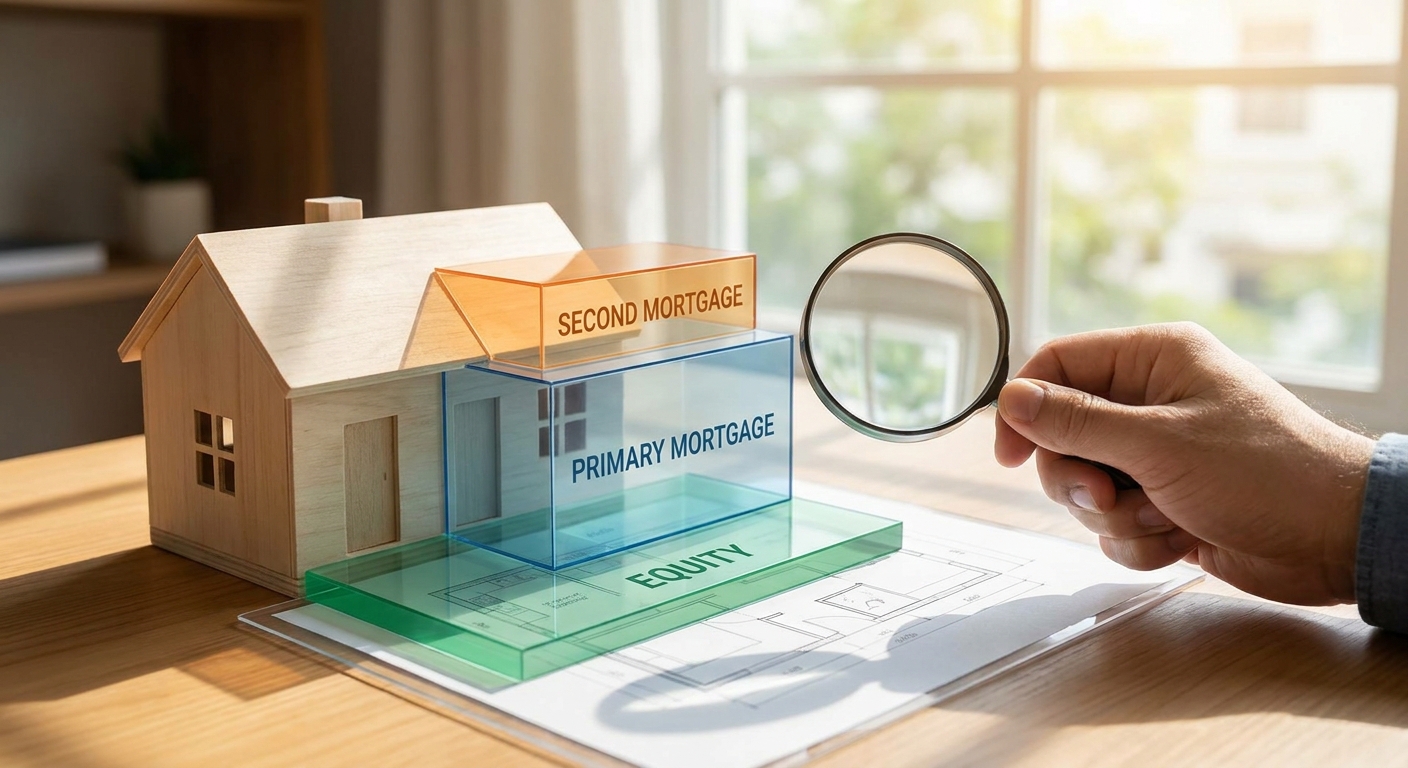
A second mortgage is an additional loan secured against your home, behind your existing first mortgage. It lets you borrow a lump sum based on the equity you have built up, and you repay it with regular payments over a set term. Because the first mortgage lender has priority claim on the property, the second mortgage is riskier for the lender, which typically results in a higher interest rate than your first mortgage.
Most lenders cap total borrowing against a home at 80% of its appraised value, including the first mortgage. For example, if your home is worth $500,000 and you owe $300,000 on your first mortgage, you may be able to borrow up to $100,000 through a second mortgage.
How It Differs from a First Mortgage
A first mortgage is the primary loan used to buy or refinance a home. A second mortgage sits behind it in priority. If you default, the first lender is paid first from the sale of the home; the second lender is paid only after that. This subordination means second mortgages often have shorter amortization periods, stricter loan-to-value limits, and higher rates than first mortgages.
You continue paying your first mortgage while also paying the second mortgage. That combined payment load is the key reason we encourage parents to run a full budget review before borrowing.
How Parents Can Use a Second Mortgage to Help Their Children
Accessing Home Equity to Provide Funds
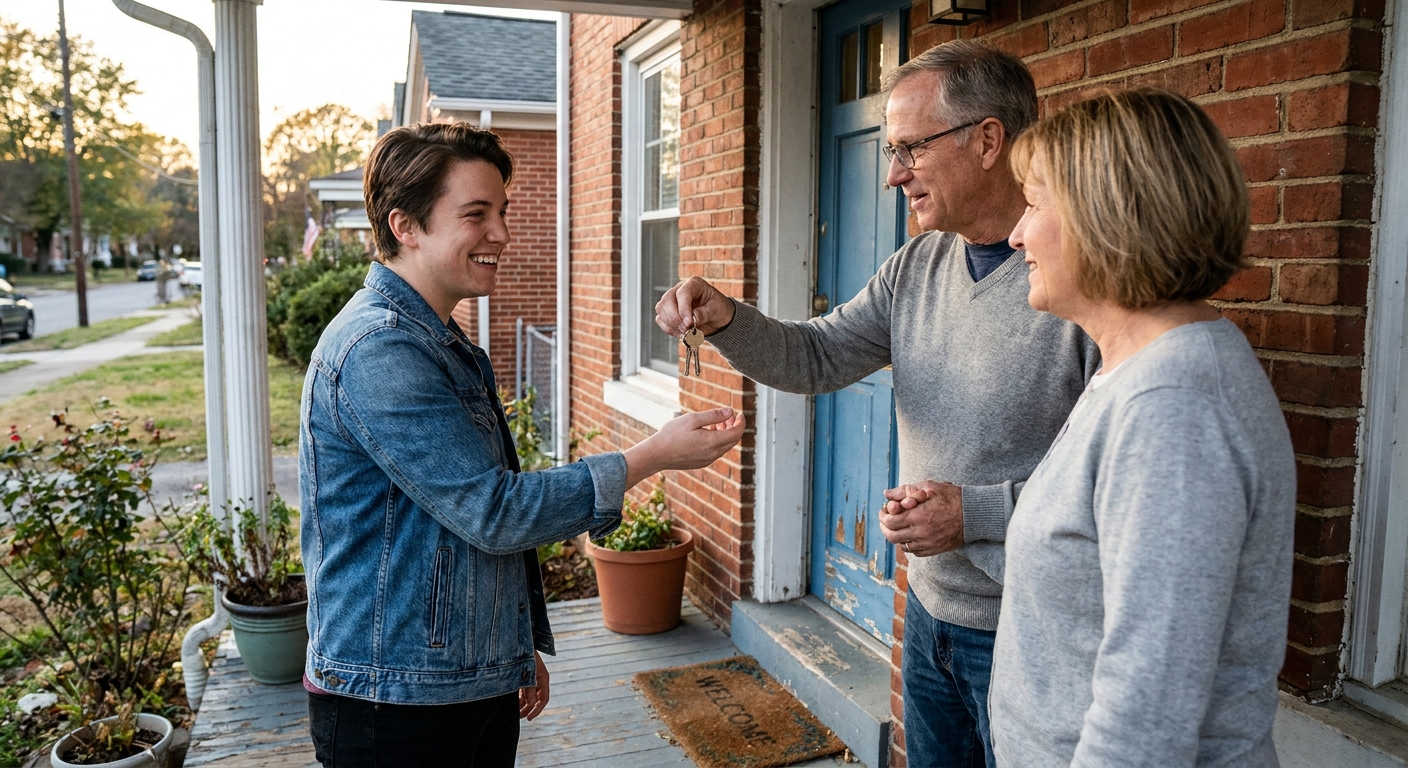
The most direct use is to take out a second mortgage on your own home and receive a lump sum. That money can be given to your child for a down payment or used to cover closing costs. Because the loan is secured by your home, the interest rate is typically lower than an unsecured personal loan or credit card, though higher than your first mortgage.
Gifting Funds for a Down Payment
If you gift the money, lenders will ask for a gift letter confirming the funds do not need to be repaid. This letter protects the child’s mortgage application by ensuring the amount is not counted as a debt. A genuine gift has no tax consequences, but it does mean you have no legal claim to recover the money if the child’s relationship ends.
Co-Signing or Acting as Guarantor
Some families use a second mortgage to strengthen a co-signing arrangement. As a co-signer, you add your income and credit profile to your child’s application, which can help them qualify for a larger mortgage. However, co-signing makes you fully responsible for the loan if your child cannot pay. If you also carry a second mortgage on your own home, that debt will be included in your own financial picture, so we review both sides carefully.

Benefits of Using a Second Mortgage for Intergenerational Support
Preserving Retirement Savings
Taking equity from your home lets you avoid withdrawing large sums from registered retirement accounts, which could trigger taxable income. By spreading the repayment over the second mortgage’s term, you may keep your retirement capital intact and growing.
Avoiding the Need to Sell Assets
A second mortgage lets you access cash without selling investments, a cottage, or other property. This can be important if those assets are intended for future income or if selling now would create unwanted capital gains.
Potential for Lower Interest Than Alternative Loans
Because a second mortgage is secured by real estate, its rate is usually lower than credit cards, lines of credit, or unsecured personal loans. That can make it a more efficient borrowing tool when you need a substantial amount to help your child.
Risks and Important Considerations
Increased Debt Load for Parents
A second mortgage adds a new monthly payment on top of your existing mortgage. This reduces your cash flow and may limit your ability to handle unexpected expenses or qualify for other credit in the future.
Higher Interest Rates Compared to First Mortgages
Second mortgages are priced higher because the lender takes on more risk. Even if the rate is lower than unsecured debt, it will still be above your first mortgage rate, which increases the total interest cost over time.
Impact on Parents’ Financial Security
Your home is collateral for both the first and second mortgage. If you cannot make payments on the second mortgage, you could face foreclosure, even if your first mortgage is current. We strongly recommend stress-testing your budget for higher rates or reduced income before committing.

Comparing Second Mortgages with Other Financing Options
Home Equity Line of Credit (HELOC)
A HELOC is a revolving credit line secured by your home, usually allowing you to borrow up to 65% of the home’s value. It offers flexibility: you can borrow, repay, and borrow again. However, HELOC rates are often variable, and the lender can demand repayment in full at any time. A second mortgage provides a fixed lump sum with predictable payments, which some parents prefer.
Refinancing the Primary Mortgage
Refinancing means replacing your existing mortgage with a new, larger mortgage and taking out the difference in cash. This can be simpler because you have only one payment, but it may involve breaking your current term and paying a prepayment penalty. A second mortgage keeps your first mortgage intact, which can be cheaper if your first mortgage has a very low rate.
Unsecured Personal Loans vs. Second Mortgages
An unsecured personal loan does not use your home as collateral, so there is no foreclosure risk. But because the lender has no security, interest rates are typically much higher, and loan amounts are often smaller than what you could access through a second mortgage. If you need a large sum, a second mortgage is usually the more cost-effective route.
Because we maintain relationships with more than 300 lenders, we can often compare second mortgage terms that a single bank may not offer, helping you see a wider range of options.
Qualifying for a Second Mortgage
Credit Score and Income Requirements
Lenders will review your credit history and income to confirm you can handle the additional payment. A stronger credit profile generally leads to better terms, but second mortgage lenders may be more flexible than first mortgage lenders in some cases.
Loan-to-Value (LTV) Ratio Limits
Most second mortgages are limited by the total loan-to-value ratio across all loans secured by the property. The maximum is typically 80% of the home’s appraised value, including the first mortgage balance. Lenders will order an appraisal to confirm the current value.
Documentation Needed
You will usually need to provide proof of income, recent mortgage statements, property tax documents, and identification. The lender will also require a home appraisal. Gathering these items before you apply speeds up the process.
Impact on Your Child’s Mortgage Application
How Lenders View Gifted Funds
When you give a down payment as a gift, the child’s lender will want a signed gift letter stating the money is not a loan. This prevents the amount from being added to the child’s debt load. For high-ratio insured mortgages, the gift must come from an immediate family member.
Documentation for the Child’s Lender
Beyond the gift letter, the lender may ask for a paper trail showing the money entering the child’s account. Keeping a clear record of the transfer and the source of funds avoids delays.
Potential Implications for the Child’s Debt-to-Income Ratio
If you structure the help as a loan rather than a gift, the child’s lender will include the monthly repayment in their debt service calculations. This can reduce the mortgage amount they qualify for. Co-signing also adds your income but does not remove the child’s debt obligations, so the overall household debt must still meet lender guidelines.
Legal and Tax Implications
Legal Agreements to Protect Both Parties
If the money is a loan, have a lawyer draft a promissory note or, where appropriate, register a second mortgage against the child’s property. This formalizes the repayment terms and gives you a legal claim. If it is a gift, the gift letter should be clear that no repayment is expected.
Tax Considerations for Gifted Funds
There is no gift tax on money given to adult children, so you can make a gift without tax consequences for either party. However, if you withdraw funds from an RRSP or other registered account to make the gift, that withdrawal is taxable as income in your hands.
Protecting the Gift in Case of Relationship Breakdown
If your child buys a home with a spouse or partner, a down payment gift used for the family home may become shareable if the relationship ends. To protect the gift, your child and their partner can sign a marriage contract or cohabitation agreement stating that the gifted amount will be returned to your child first before remaining equity is divided. This is separate from the mortgage and should be set up before closing.
Navigating a High-Cost Housing Market
Why Parents Are Stepping In
Over the past two decades, home prices have risen faster than incomes, and mortgage qualification rules have become stricter. Many first-time buyers cannot meet the down payment or income requirements on their own. This has led to a sharp increase in parents co-signing or providing down payment support.
Long-Term Housing Trends and Affordability Challenges
The gap between local incomes and home prices continues to widen in many areas, making parental help a common part of first-home purchases. A second mortgage on the parents’ home is one way to bridge that gap, but it should be part of a broader family financial plan that accounts for retirement security and future cash flow.
Making an Informed Decision
Weighing the Pros and Cons
A second mortgage can give your child a head start, but it is not risk-free for you. List the monthly payment, total interest over the term, and your own retirement timeline. Compare that with alternative ways to help, such as a smaller gift, a HELOC, or co-signing without borrowing against your home.
Seeking Professional Financial and Legal Advice
Before taking on a second mortgage, speak with a mortgage professional, a financial advisor, and a lawyer. Each can help you understand the numbers, the tax consequences, and the legal protections available. A well-structured plan protects both your home and your child’s future.
Contact us to review your situation and explore whether a second mortgage fits your family’s plan. We can walk through the numbers with you and connect you with the right legal support before you commit.